
What Helps Some Skiers Continue Skiing Well Into Their 70s and Beyond?
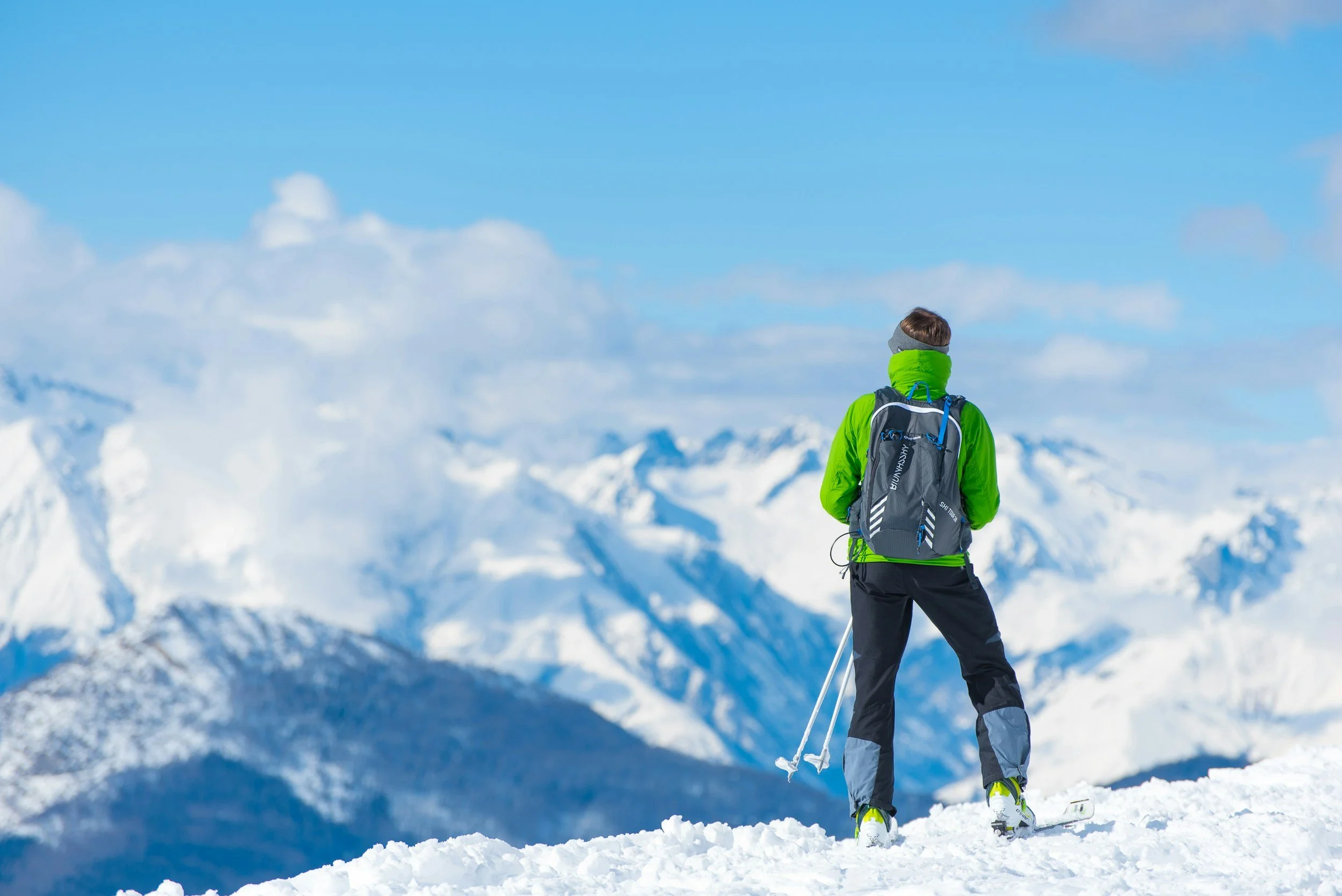
When we're younger, it's often easier to wake up, head to the mountain, ski all day, and do it again the next morning. As time goes on, however, most of us realize that our bodies require a little more attention to continue skiing well, recovering effectively, and enjoying every day on the mountain.
Below are some of the key factors that can help support performance, recovery, and resilience on the slopes for years to come.
Ankle Mobility
Limited ankle mobility can increase stress on the knees and lower back while skiing
Dynamic Warm-Up
A few minutes of dynamic movement before skiing can help prepare the muscles, joints, and nervous system for the demands of the mountain.
Hip Strength & Mobility
The hips play an important role in how forces are distributed throughout the body from the beginning to the end of a turn. Limitations in strength, mobility, or control can influence both performance and how forces are transferred throughout the body.
Balance & Single-Leg Control
Balance is more complex than many people realize. Understanding the different balance systems and identifying specific limitations can help guide a more individualized approach to improving control and confidence on the mountain.
Force Absorption
Every turn places forces through the body. How well the muscles, joints, balance systems, and nervous systems work together can influence both performance and longevity on the mountain
Recovery
Sleep, hydration, nutrition, and recovery all influence how well the body performs, adapts, and recovers throughout the season.
Continuing to ski well for decades rarely comes down to one factor alone. Understanding your individual strengths, limitations, and opportunities for improvement can help guide a more targeted approach to performance, recovery, and long-term enjoyment of the sport