Persistent Pain
For people who've been living with pain for a long time and are ready to try a different approach.
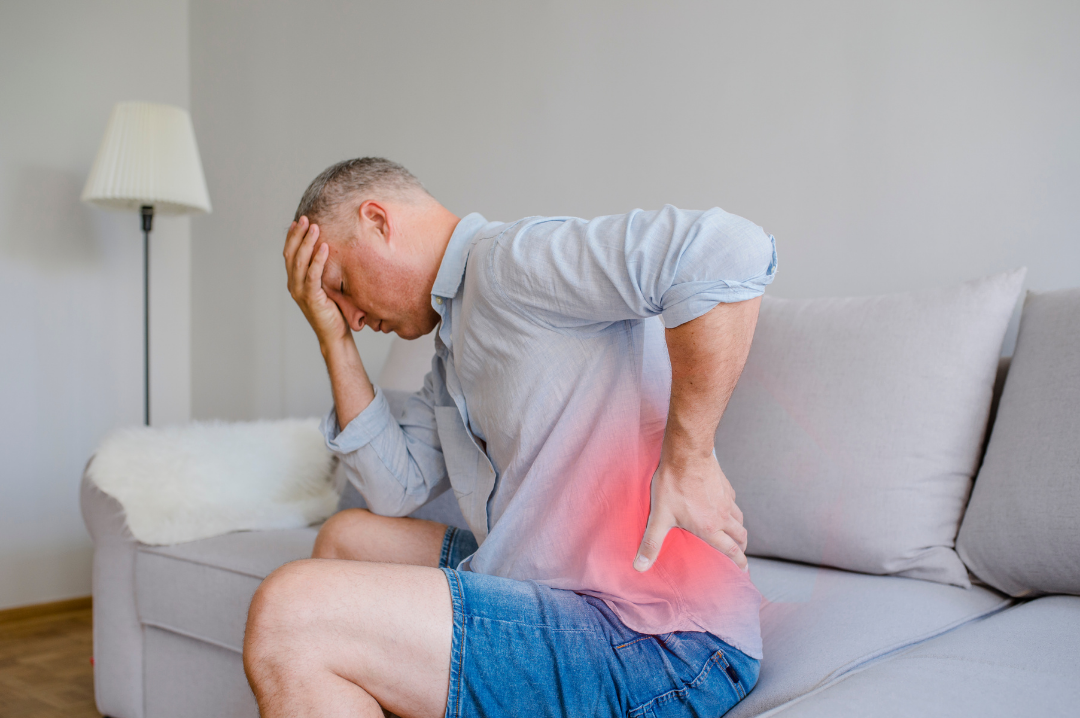
You might recognise yourself here if:
You've been dealing with pain for months or years.
You've seen providers, tried treatments, maybe heard the same explanations without experiencing real, lasting change.
You're not giving up, but you're wondering if anything can actually help.
Ronnie works with people at exactly this point.
Many of her clients with persistent pain have tried PT, medications, injections, or other interventions without sustained improvement. What's often missing is a genuinely comprehensive approach, one that addresses all the factors involved, not just the area that hurts.

Pain is rarely just one thing
Persistent pain almost always has multiple contributing factors. The nervous system plays a central role but so do sleep, stress, nutrition, movement patterns, fatigue, and emotional wellbeing. These aren't separate issues. They interact, and they need to be addressed together.
One of the most common frustrations Ronnie hears is that previous providers focused only on the painful area itself. Her approach starts there, but goes further: understanding the full picture, educating the client about what's driving their pain, and building a plan that treats the whole person.
Meaningful improvement is possible even after years of pain, even after many previous providers. Progress takes time and trust, but it is possible.

WHAT TO EXPECT
How persistent pain sessions work
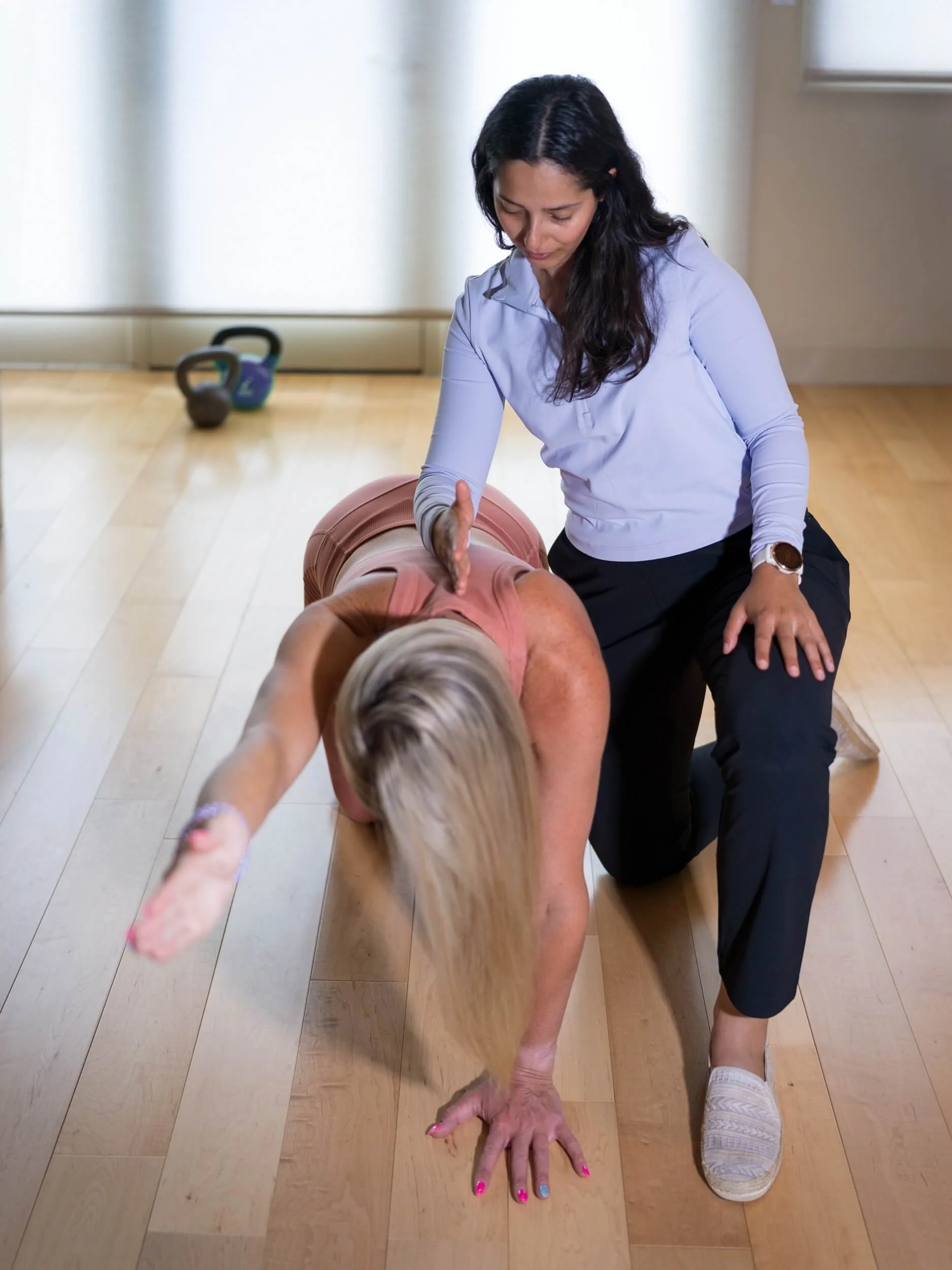
Sessions are 90 minutes, one-on-one, and take place in your home. Ronnie brings all the equipment.
Comprehensive initial evaluation: full history, movement analysis, physical assessment, and an open conversation about all the factors that may be contributing
Pain science education: understanding the nervous system and what's driving your pain is a core part of getting better
Hands-on treatment: dry needling, manual therapy, soft tissue work, joint mobilisation
Graded movement exposure: carefully reintroducing activity in a way your nervous system can adapt to
Guidance on sleep, stress management, nutrition, and other lifestyle factors that directly influence pain
Between-session access to Ronnie for questions and support
Credentials
Ronnie holds a Therapeutic Pain Specialist (TPS) certification from Evidence in Motion: advanced, post-graduate training in evidence-based pain science and treatment. She is also completing a Lifestyle Medicine certification, which deepens her work with nutrition, sleep, and long-term health factors that contribute to persistent pain